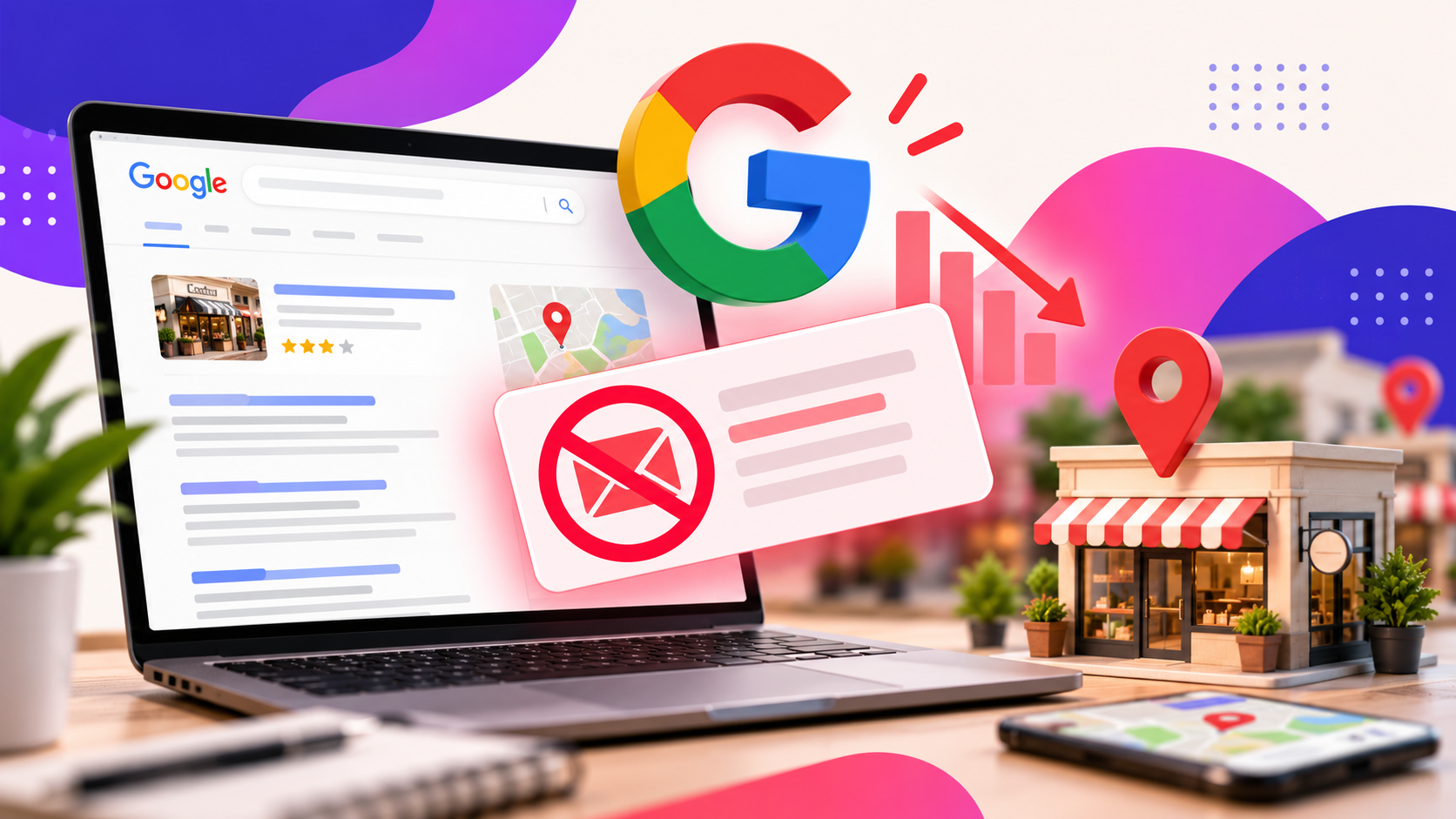
Local restaurant advertising in 2026 succeeds by dominating the search results when hungry customers look for nearby dining options, which means claiming and optimizing your Google Business Profile, earning authentic reviews, and ensuring accurate information appears everywhere diners search. Most restaurants neglect the foundational steps that convert searches into walk-ins, leaving opportunity for competitors who execute the basics consistently. This guide covers proven tactics that drive foot traffic, the critical mistakes that tank local visibility, and a practical roadmap to attract more diners without wasting budget on ads that don't convert.
Why Local Restaurant Advertising Matters in 2026
Nearly half of all Google searches have local intent, and for restaurants that means every search for dinner near me or best tacos in town is a customer you either capture or lose to a competitor. Mobile devices have become the primary tool for restaurant discovery, and the window to convert that interest into foot traffic is remarkably short.
According to Google, 50% of mobile users visit local stores within one day of a local search. For restaurants, this behavior is even more pronounced because hunger and dining decisions happen in real time. Someone searching for brunch spots or pizza delivery isn't browsing casually—they're ready to make a purchase decision within minutes.
The restaurants that appear first in Maps results and local pack listings capture the majority of these high-intent searches. Those that neglect their local presence—incomplete profiles, inconsistent information, or poor review management—simply disappear from consideration. The gap between an optimized listing and an ignored one translates directly into lost reservations, fewer walk-ins, and revenue flowing to competitors who invested in visibility.
Local advertising for restaurants isn't about brand awareness. It's about being present at the exact moment a customer decides where to eat.
Local SEO: What Actually Works
The restaurants that dominate local search results do three things consistently: they claim and complete their Google Business Profile, they earn fresh reviews every week, and they keep their NAP information identical everywhere online.
A complete Google Business Profile is the foundation of effective local restaurant advertising. Businesses that fill out every field—hours, photos, menus, attributes—signal credibility to both search engines and diners. According to Google, 76% of nearby smartphone searches result in a business visit within a day, making visibility in local results directly tied to foot traffic.
Review velocity matters more than volume. A restaurant with twenty recent reviews will often outrank one with two hundred older ones. Fresh feedback signals active engagement and relevance in the local pack.
NAP consistency—name, address, phone number—must be identical across your website, Facebook, Yelp, and every directory listing. Discrepancies confuse search algorithms and erode trust signals that influence rankings.
Local content reinforces geographic relevance. Mentioning nearby neighborhoods, landmarks, or community events on your site helps search engines connect your restaurant to specific areas. Mobile optimization is essential since most diners search for restaurants on their phones while deciding where to eat.
Common Local SEO Mistakes to Avoid
Most restaurants sabotage their own visibility by ignoring negative reviews, using inconsistent business names across platforms, or treating their Google Business Profile like a set-it-and-forget-it listing.
Inconsistent business names, addresses, or phone numbers across directories confuse Google and dilute ranking signals. A single missing suite number or an outdated phone listing can split citation authority and push a restaurant down in local pack results.
Ignoring or deleting negative reviews instead of responding professionally damages both trust and rankings. Choosing the wrong primary category on Google Business Profile—or worse, stuffing keywords into the business name field—triggers penalties that suppress visibility. According to Search Engine Land, 78% of local mobile searches result in offline purchases, so every ranking misstep directly costs foot traffic and reservations.
Restaurants also neglect regular updates: fresh photos, menu changes, and weekly posts signal active management to Google's algorithm. Building citations on low-quality directories wastes effort; authoritative local sources carry far more weight. Finally, failing to track which advertising channels actually drive reservations leaves marketing budgets blind, funding channels that generate clicks but not customers.
Local Restaurant Advertising Roadmap: Step by Step
Start by claiming your Google Business Profile and filling out every field, then build a system to request reviews from happy customers within 24 hours of their visit. Complete every section including hours, menu links, attributes like outdoor seating or delivery options, and high-quality photos of your dishes and dining room. According to HubSpot, 46% of all Google searches have local intent, making your profile the most important asset for attracting nearby diners.
Audit your business name, address, and phone number across the web and fix any inconsistencies on Yelp, Facebook, Apple Maps, and major restaurant directories like OpenTable or Resy. Even small discrepancies can confuse search engines and cost you visibility.
Create a review generation process using email receipts, SMS follow-ups, or simple cards with QR codes that link directly to your review pages. Post weekly updates to your profile with daily specials, seasonal menu items, event announcements, or behind-the-scenes kitchen content to keep your listing fresh and engaging.
If you operate multiple locations, build dedicated pages on your website for each one with unique content about the surrounding neighborhood and local landmarks. Set up Google Search Console and Google Analytics to track which search terms and map listings drive the most traffic, and monitor competitor profiles monthly to identify new categories, post formats, or tactics
How Popnest Media Approaches Local Restaurant Advertising
Popnest Media treats local restaurant advertising as an ongoing system, not a one-time setup, because the restaurants that win local search are the ones that stay active and responsive. Success starts with a full audit of your local presence to identify ranking gaps, citation errors, and missed opportunities before any strategy takes shape.
Review generation and response management become automated habits rather than monthly tasks that slip through the cracks. According to Google, businesses with completed Google Business Profiles get seven times more clicks than those without, which is why profile optimization and consistent updates form the foundation of every campaign.
Tracking focuses on the metrics that matter: reservations, foot traffic, and actual conversions rather than vanity numbers. Content strategy targets the specific neighborhoods and search terms your ideal customers use when they're hungry and ready to dine.
Ongoing monitoring catches new competitors entering your market, algorithm changes that shift rankings, and reputation issues before they cost you customers. The system adapts as search behavior evolves and your restaurant grows.
Resources for Local SEO
Google Business Profile Help Center is your starting point for understanding how to optimize your listing, while Whitespark and BrightLocal publish annual studies on what ranking factors matter most. The Help Center provides official guidelines on managing photos, responding to reviews, and using new features as they roll out.
Whitespark's Local Search Ranking Factors survey offers data-driven insight into what influences visibility in the local pack. According to Whitespark, reviews count for 16% of local pack ranking signals, making reputation management a core component of any local restaurant advertising strategy. BrightLocal's annual Local Consumer Review Survey tracks how diners discover and evaluate restaurants through online feedback.
Google Search Console shows which queries trigger your profile and where you rank for location-based searches. Local restaurant marketing forums and operator communities provide peer insights on menu photography, seasonal promotions, and review response tactics that resonate in competitive dining markets.
Frequently Asked Questions
Does local SEO work for restaurants?
Local SEO delivers strong results for restaurants because diners actively search for nearby dining options with immediate intent to visit. When potential customers look for cuisine types or meal options in their area, optimized restaurant profiles appear at the moment of decision. Restaurants that maintain accurate business information, respond to feedback, and earn positive ratings convert these searches directly into reservations and walk-ins. According to BrightLocal, 88% of consumers trust online reviews as much as personal recommendations, making reputation management a powerful driver of foot traffic for dining establishments. For a deeper dive on google restaurant advertising, see our latest analysis: Google Restaurant Advertising: Local SEO for 2026 Success.
How do I get started with local restaurant advertising?
Start by claiming and completing your Google Business Profile with accurate hours, menu links, high-quality photos, and the correct restaurant categories. Build a simple process to request reviews from satisfied diners shortly after their visit, whether through a follow-up text, receipt insert, or table tent. These two foundational steps—profile optimization and consistent review generation—form the core of effective local restaurant advertising and will immediately boost your presence in local search results and on Google Maps.
What is the most important local SEO factor for restaurants?
The Google Business Profile stands as the most critical element for restaurant visibility in local search. According to Google, businesses with completed Google Business Profiles get 7x more clicks than those without, making it the foundation of any effective advertising strategy. A fully optimized profile with accurate hours, current photos, menu links, and consistent review responses signals authority to search algorithms. Regular updates through posts and active engagement with customer feedback keep the profile fresh and competitive in local pack rankings.
How many reviews does my restaurant need?
Focus on review velocity and recency rather than chasing a specific count. A restaurant with ten fresh reviews from the past month will often outperform one with fifty reviews from two years ago in local search rankings. Aim to earn a steady stream of new reviews each week to signal ongoing customer satisfaction and active engagement, which search algorithms reward more than static, outdated feedback.
Should I pay for local restaurant advertising or focus on organic SEO?
Both strategies have value, but organic local SEO should be the foundation. Building a strong Google Business Profile, earning customer reviews, and optimizing your website creates sustainable visibility that doesn't require continuous spending. Once that foundation is solid, paid advertising can effectively amplify specific promotions, seasonal menus, or special events to reach new diners quickly. The most successful restaurants combine both approaches, using organic search to capture everyday demand while deploying targeted ads strategically for time-sensitive campaigns.
What is NAP consistency and why does it matter?
NAP consistency means displaying your restaurant's Name, Address, and Phone number identically across every online platform—your website, Google Business Profile, Yelp, Facebook, and all directories. When information varies even slightly (abbreviating "Street" as "St." in one place but spelling it out elsewhere), search engines struggle to verify which version is correct, weakening your visibility in local search results. Maintaining exact matches signals reliability to Google's algorithms and helps diners find accurate contact details instantly, building trust and improving rankings.
How do I handle negative reviews?
Respond to every negative review professionally and promptly, acknowledging the concern and offering to resolve the matter offline through a direct phone call or email. Ignoring criticism signals to potential diners and search engines alike that feedback doesn't matter. A thoughtful, empathetic reply can transform an unhappy guest into a loyal patron while demonstrating to everyone reading that the restaurant takes service quality seriously and stands behind its reputation.
Ready to fill more tables and build a loyal customer base? Popnest Media helps restaurants strengthen their digital presence and connect with hungry diners searching nearby. Contact the team today to discuss a customized strategy that drives foot traffic and grows your business.
Want this for your restaurant? Popnest is restaurant marketing run by people who have actually run restaurants. Our clients see results like 1,840 reservations driven and 5.1x return on ad spend. Programs start at $1,299/month, 6-month minimum.
Related reading: Restaurant Marketing Strategies: Winning Content Marketing in 2026