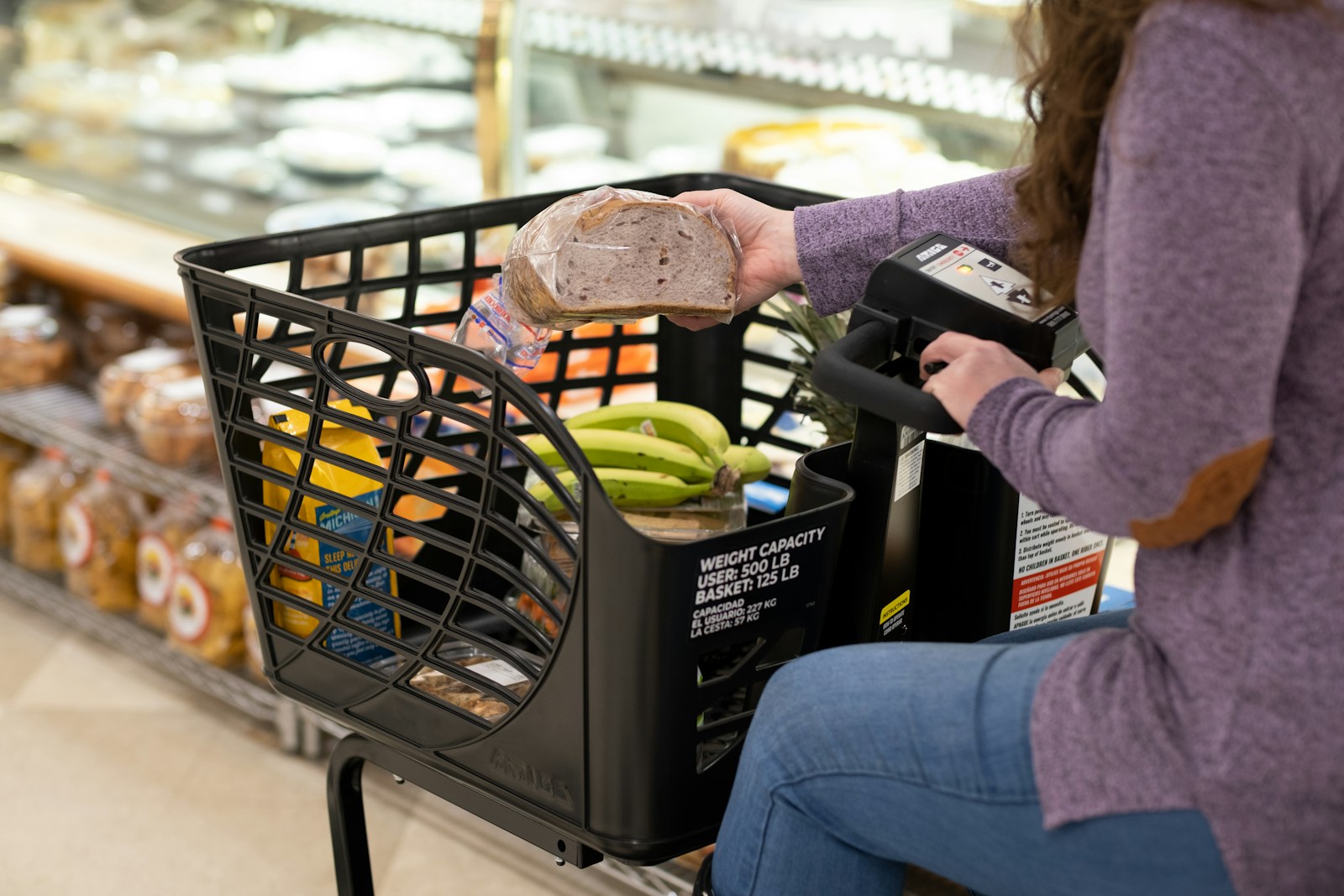
The shopping cart and the subsequent checkout process represent the single most vulnerable stage in the entire e-commerce funnel. On average, over 70% of potential sales are abandoned here. This means for every 10 customers who signal buying intent, seven leave before completing the purchase.
Shopping cart optimization conversions is the critical process of identifying and eliminating the friction points that cause abandonment. It is a strategic, data-driven approach that focuses on trust, transparency, and speed to convert high-intent browsers into confirmed buyers.
By implementing proven UX strategies and technical performance fixes, your business can significantly slash abandonment rates, boost your revenue, and prove that your Conversion-Focused Website Design delivers maximum ROI.
I. Eliminating the Conversion Killers (The Top Reasons for Abandonment)
Baymard Institute research consistently shows that the majority of cart abandonment is caused by preventable issues that surface late in the process. Optimization begins by solving these core problems.
1. Transparency in Costs (The #1 Offender)
The Problem: Unexpected costs—primarily shipping fees and taxes—are the single biggest reason (nearly 50%) for cart abandonment.
- The Fix: Display all costs, including estimated shipping, taxes, and fees, as early as possible. Ideally, use a dynamic calculator on the product page or directly in the cart summary.
- Pro Tip: Clearly state the remaining amount needed for a promotional incentive like “You’re only $15 away from FREE shipping!” to increase Average Order Value (AOV) and reduce cost-based abandonment.
2. Streamlining the Checkout Flow
The Problem: Long, complicated, or confusing multi-step checkout processes frustrate users and invite abandonment.
- The Fix: Guest Checkout: Never force first-time buyers to create an account. Offer a prominent Guest Checkout option. You can always prompt for account creation after the purchase is complete, when customer satisfaction is highest.
- Minimize Form Fields: Only ask for absolutely essential information. Use smart features like address auto-complete and ensure the option to use the billing address as the shipping address is a simple, pre-checked box.
- Use Progress Indicators: Clearly show users where they are in the process (e.g., “Step 1 of 3: Shipping”). This sets expectations and reduces anxiety.
3. Fortifying Trust and Security
The Problem: Customers feel anxious about entering sensitive payment information, especially on unfamiliar sites.
- The Fix: Display trusted security seals (SSL, PCI Compliance, recognized payment processor logos like PayPal or Stripe) prominently near the payment fields and the final CTA Button.
- Clear Policies: Keep links to your return policy, refund policy, and customer service contact visible and easily accessible without forcing the user to leave the cart page.
II. Optimizing the Shopping Cart Interface (The Review Stage)
The cart page itself must be a clean, distraction-free environment that empowers the user to finalize their decision.
1. Providing a Complete Order Summary
The user must feel confident that what they clicked is what they will receive.
- Visual Confirmation: Include a small, high-quality thumbnail image of the product.
- Detailed Specs: Clearly show the quantity, size, color, and price per item.
- Easy Editing: Allow users to update quantities, remove items, or use a “Save for Later” function directly on the cart page without requiring a page reload.
2. Distraction-Free Design
Once a customer reaches the cart, they should not be distracted by non-essential elements.
- Remove Clutter: Strip away heavy navigation headers, promotional pop-ups, and sidebars. The focus must be solely on the items and the “Proceed to Checkout” CTA.
- Clear CTAs: Ensure the primary “Checkout” button is highly visible, while the secondary action, “Continue Shopping,” is present but subdued.
3. Leveraging Promotional Fields
The coupon code field is notorious for causing abandonment as users leave to search for a discount.
- Strategic Placement: Make the coupon/promo code field unobtrusive, perhaps a collapsible link.
- Avoid Failure: If a user clicks the field but doesn’t have a code, use subtle micro-interactions to offer a first-time-buyer code or a clear explanation, preventing them from leaving to search elsewhere.
III. Advanced Tactics for Revenue Growth
The shopping cart is an ideal place to leverage personalization and urgency to increase the total sale value.
1. Smart Upselling and Cross-Selling
Use the cart page to recommend complementary items or a superior alternative.
- Contextual Recommendations: If they bought a camera, recommend a lens cap or an extra battery in the cart. Limit these to 3-4 items to avoid choice paralysis.
- Progress Bars: Use a progress bar showing how close the user is to a threshold benefit (e.g., “You’re 75% to FREE shipping!”).
2. Technical Speed and Mobile-First UX
A slow or buggy cart is a guaranteed abandonment.
- CWV Focus: Ensure the cart and checkout pages load instantly (excellent LCP). The interaction (clicking the CTA or typing in a field) must be immediate (excellent INP).
- Thumb-Friendly Design: All fields, buttons, and radio selectors must be large, appropriately spaced, and easily tappable on a mobile phone—a cornerstone of modern Responsive Design.
3. Cart Abandonment Recovery
Even with the best optimization, some users will leave. A recovery strategy is essential.
- Email Flow: Implement a highly segmented, personalized Abandoned Cart Email Flow (typically 3 emails) offering assistance, urgency (stock levels), or a small incentive to return.
IV. The Popnest Media Advantage: Conversion Science
Shopping cart optimization conversions is a science of behavioral economics and engineering. It requires continuous A/B testing and expert analysis to unlock hidden revenue.
At Popnest Media, we are the experts in high-ROI digital marketing and conversion strategy.
We specialize in full-funnel Conversion-Focused Website Design for e-commerce, ensuring your cart and checkout pages are technically flawless, mobile-optimized, and psychologically persuasive. We use data to turn your highest point of leakage (abandonment) into your highest point of profit, boosting your sales and your overall digital authority in the Montreal, QC, Canada area.
Popnest Media specializes in growing local businesses near you through Conversion-Focused Website Design, expert Video Production, strategic Social Media Management (SMM) services, and high-performance Meta Ads (PPC). We build your digital authority using expert SEO techniques, all centered on maximizing Reputation Management and boosting customer lifetime value in the Montreal, QC, Canada area.
Our Web Design & Digital Portfolio
| Optimization Strategy Applied | Conversion Goal | Core Result |
| Guest Checkout Implementation | Remove mandatory account creation friction. | 25% reduction in first-time visitor abandonment. |
| Transparent Shipping | Clearly displayed shipping cost on the cart page. | 15% decrease in abandonment at the final payment step. |
| Sticky Mobile CTA | Ensured the “Checkout” button was always visible on scroll. | 10% increase in mobile checkout completion rate. |
| Trust Seals Display | Added payment security seals near the payment field. | 5% lift in perceived site credibility and confidence. |
Related Reads on Popnest Media
- Website Color Psychology for E-commerce: Unlocking Buying Behavior
- Interactive Elements That Improve Engagement: Converting Passive Users into Active Participants
- Accessibility in Web Design: A Complete Guide to WCAG Compliance and Inclusion
- Case Studies: https://popnestmedia.io/case-studies/
- Client Portfolio: https://popnestmedia.io/client-portfolio/
Frequently Asked Questions (FAQs)
Q: What is a good shopping cart abandonment rate?
A: According to industry studies, the global average abandonment rate hovers around 70%. A truly optimized site should aim for an abandonment rate below 60%. Achieving rates in the 40-50% range places you in the top tier of e-commerce performance.
Q: Is a single-page or multi-page checkout better?
A: This is highly debatable and depends on the user base, but generally, a single-page checkout (where all fields are visible) or a simplified multi-step checkout (with a visible progress bar) performs best. The goal is to minimize perceived effort. We recommend A/B testing both formats on your specific audience.
Q: Why do I need multiple payment options?
A: Customers have strong preferences, and not seeing their preferred payment method (e.g., PayPal, Apple Pay, Google Pay, or Buy Now, Pay Later [BNPL] options) is a significant reason for abandonment. Offering diverse, secure options is essential for catering to global and regional consumer payment habits.
Q: How do shopping cart optimization conversions relate to my SEO?
A: While the shopping cart is far down the funnel, poor performance here (slow speeds, technical errors) impacts user experience and may negatively affect overall site metrics like Dwell Time and Bounce Rate, which Google uses as indirect quality signals for search ranking. A fast, frictionless cart supports a strong, positive user journey.
Book Your Free Discovery Call Today!
Ready to seal the deal on those abandoned carts? Let Popnest Media apply data-backed shopping cart optimization conversions to your e-commerce platform for massive revenue gains. Contact PopNest Media today at +1 213-800-9518, email us at sales@popnestmedia.io to schedule your consultation.