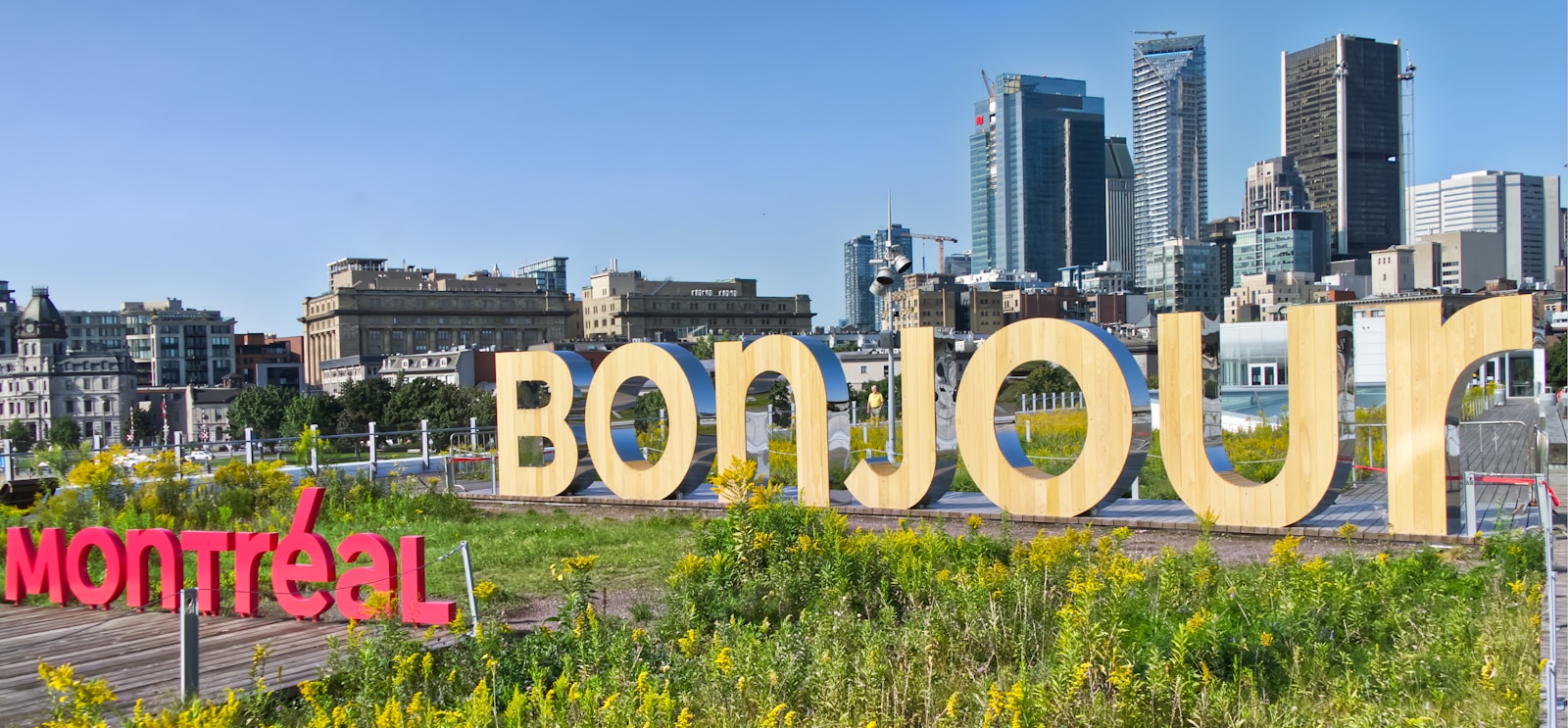
In the heart of Montreal, 2026 isn’t just another year in digital marketing—it’s the year where “translation” officially died and “transcreation” became the gold standard. As AI Overviews and Generative Engine Optimization (GEO) take over the search landscape, simply having a “Select Language” toggle on your website is no longer enough to win the local market.
For local businesses in Montreal, QC, Canada , bilingualism is no longer a polite suggestion; it is a strategic superpower. Whether you’re a boutique in Mile End or a tech firm in the West Island, speaking both languages is the only way to build the “Experience, Expertise, Authoritativeness, and Trustworthiness” (EEAT) that 2026 algorithms demand.
I. The Trust Factor: 78% of Quebecers Want More Than a Translation
Recent 2026 data shows that 78% of Quebec users express higher trust in businesses that provide a comprehensive, dedicated French experience rather than a “translated” version of an English site.
When a brand invests in Montreal bilingual marketing , they aren’t just checking a box; they are acknowledging the cultural nuance of their audience. In 2026, consumers are fatigued by AI-generated content. They crave human connection , and nothing says “we don’t understand you” like a clunky machine translation that misses local idioms or Montreal-specific references.
II. The Legal Reality: Bill 96 and the “Markedly Predominant” Rule
As of June 2025, Quebec’s language laws (Bill 96) reached full implementation. For businesses, this means the “predominance of French” is a legal mandate that affects everything from your storefront to your Meta Ads.
| Marketing Element | 2026 Legal Requirement |
| Public Signage | French must be “markedly predominant” (taking up at least 2/3 of the space). |
| Websites/Social Media | All commercial content must be available in French of “comparable quality.” |
| Product Descriptions | Generic terms and descriptions must appear in French, even if the trademark is English. |
| Contracts | Standard-form contracts must be provided in French first. |
Note: Fines for non-compliance in 2026 can reach $30,000 per day for corporations. Bilingualism isn’t just good marketing; it’s essential risk management.
III. SEO & GEO: Dominating Two Language Ecosystems
In 2026, SEO is about earning inclusion in AI-powered pathways . By implementing a robust Montreal bilingual marketing strategy, you effectively double your chances of being “cited” by AI agents like Gemini, ChatGPT, and Perplexity.
- Hreflang Mastery: Correct technical implementation ensures Google shows the French version to your East End customers and the English version to your West Island (or US-based) clients.
- Semantic Nuance: People in Montreal search differently in French than they do in English. We don’t just translate keywords; we find the high-intent terms specific to each language community.
- Cross-Border Authority: For Montreal brands targeting both Canada and US SEO , a bilingual site signals a level of sophistication and “Global-Ready” infrastructure that English-only competitors lack.
IV. The Popnest Media Advantage: Local Pulse, Global Results
At Popnest Media, we don’t just “do” bilingual marketing—we live it. Based in the heart of Montreal, we understand that a campaign for Plateau Mont-Royal needs a different “vibe” than one for downtown Toronto or New York.
At Popnest Media, we are the experts in high-ROI digital marketing and conversion strategy.
We specialize in Montreal bilingual marketing that converts. From Conversion-Focused Website Design that respects Quebec’s language laws to Video Production that captures the authentic voice of your brand in both languages, we ensure your message never gets lost in translation.
Popnest Media specializes in growing local businesses near you through:
- Strategic Social Media Management (SMM) services (Bilingual community building).
- High-performance Meta Ads (PPC) (A/B testing across language segments).
- Reputation Management (Managing reviews in French and English).
- Expert SEO (Dominating the Montreal and cross-border search results).
Related Reads on Popnest Media
- What SEO Trends Mattered Most for Montreal Businesses in 2026
- How to Build Your 2026 Digital Strategy (Even If You’re Just Starting Out)
- Video Marketing Case Studies: Inspiring Success Stories and Key Takeaways
- Case Studies: https://popnestmedia.io/case-studies/
- Client Portfolio: https://popnestmedia.io/client-portfolio/
- Social Media Portfolio: https://popnestmedia.io/portfolio-social-media-management/
Frequently Asked Questions (FAQs)
Q: Do I need a separate website for French and English?
A: Not necessarily. In 2026, the best practice is often an integrated bilingual experience using subdirectories (e.g., yoursite.com/fr/ ). This consolidates your domain authority while providing a seamless localized experience for the user.
Q: Is machine translation (like Google Translate) enough for Bill 96?
A: No. The law requires the French version to be of “comparable quality” to the English version. Machine translations often fail to meet professional standards and can lead to both legal risks and a significant loss of consumer trust.
Q: How does bilingualism affect my ad spend?
A: It actually makes your spend more efficient. By tailoring your creative (images and copy) to the specific language and culture of the user, you typically see higher Click-Through Rates (CTR) and lower Cost-Per-Acquisition (CPA) compared to generic, “one-size-fits-all” ads.
Q: Why should I focus on “Transcreation” instead of “Translation”?
A: Translation swaps words; Transcreation swaps the intent and emotion . Transcreation ensures that your brand’s humor, tone, and call-to-action resonate with the unique cultural identity of Montrealers, regardless of the language they speak.
Book Your Free Discovery Call Today!
Ready to master the art of Montreal bilingual marketing and stay compliant with the latest laws? Let Popnest Media elevate your brand’s voice. Contact PopNest Media today at +1 213-800-9518 , email us at admin@popnestmedia.io to schedule your consultation.