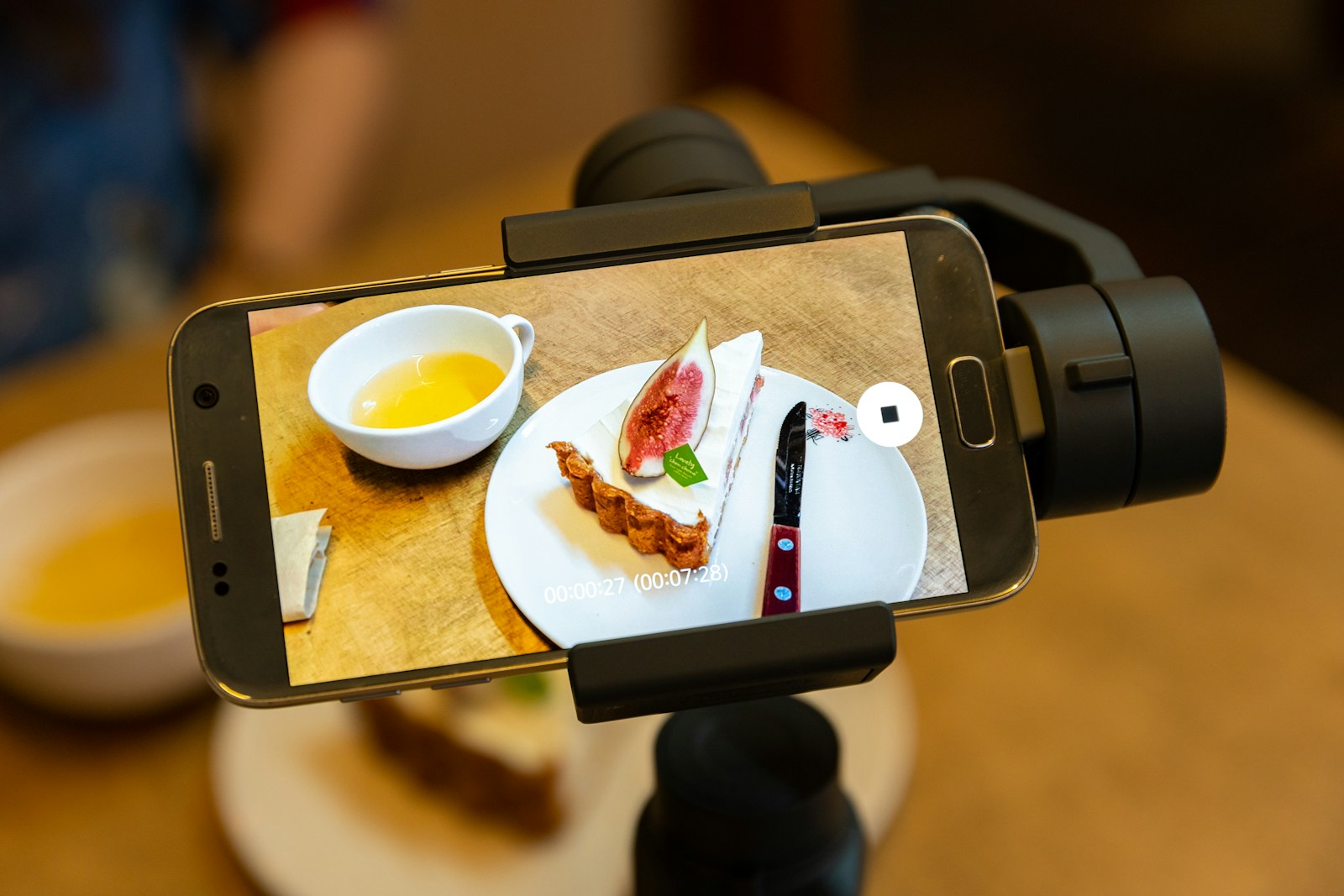
In the age of visual content, the way a dish looks in motion is as important as how it tastes. High-quality food videography is the digital language of desire, transforming simple menu items into viral content and motivating customers to book a table immediately.
For any modern restaurant seeking effective Social Media Management (SMM), leveraging high-impact Video Production is essential. However, shooting food is a specialized skill. Unlike traditional video, food videography must focus on sensory cues, texture, and close-ups that evoke taste and smell.
By implementing these expert food videography tips restaurants can elevate their digital presence, enhance their Reputation Management, and ensure their promotional videos translate directly into increased covers and sales.
I. Technical Foundation: Lighting and Equipment
The quality of the final product begins with proper preparation and technical execution. Poor lighting or shaky footage can instantly ruin even the most delicious-looking dish.
1. Harnessing Natural Light (The Golden Rule)
- Best Practice: Always shoot near a window or an open door. Natural, diffused light is the most flattering light source for food, highlighting texture without harsh shadows. Never use the direct overhead lighting found in most dining rooms.
- Avoid Direct Sun: Direct sunlight is too harsh. Use a simple white diffuser (or parchment paper) to soften the light, eliminating glaring highlights and deep shadows.
2. The Power of the Gimbal and Tripod
- Stability: For 90% of your shots (e.g., establishing shots, overhead views, plating), use a tripod or a gimbal. Shaky footage immediately diminishes professional quality and distracts the viewer from the food itself.
- Camera Movement: Reserve handheld shots for dynamic, quick movements (like pouring or drizzling) to add energy, but ensure they are smooth and intentional.
3. Focus on Sensory Audio (ASMR)
- The Tip: Sound is half the experience. Use a high-quality external microphone close to the action.
- Sensory Cues: Capture the sound of the sizzle as a dish is served, the crunch of a fried item, the slice of a knife through meat, or the fizz of a drink. These sensory details greatly enhance the viewer’s perceived experience and are a highly effective interactive element.
II. Composition and Styling: Making Food the Star
Food is a difficult subject because it must look appealing and accessible. Composition ensures the viewer’s eye goes straight to the dish.
1. Rule of Thirds and Negative Space
- Composition: Frame the dish using the Rule of Thirds, positioning the primary point of interest slightly off-center.
- Minimalism: Keep the background clean and uncluttered. Use minimalist web design principles in your shot staging; the focus should be 90% on the food and 10% on relevant props (a utensil, a napkin, a sprinkle of herbs).
2. The Power of Close-Ups (Macro Shots)
- Texture is Key: The most crucial food videography tips restaurants use involve macro shots. Get extremely close to show texture: the melted cheese, the perfect sear, the glistening sauce, or the delicate layers of a pastry.
- The “Hero Shot”: Every dish needs a 3-5 second “Hero Shot” that showcases the final product in its best light. This shot often forms the backbone of your 15-second Restaurant Promotional Video Ideas.
3. Shooting from Multiple Angles
To make a short video dynamic, you need diverse footage.
- Overhead (90°): Great for showcasing patterns, plating geometry, and bowls of food.
- Straight-on (0°): Best for displaying height (burgers, cakes, stacked pancakes) and communicating the dining perspective.
- 45° Angle: The most common, natural view that customers see when sitting at the table.
III. Action and Editing: Creating the Crave Moment
Food video is most effective when it shows the process or movement, translating a static object into an exciting action sequence.
1. Show the “Moment of Action”
- The Sizzle: The steak being placed on the hot skillet.
- The Pour: Sauce or butter being drizzled over the finished dish.
- The Cut: A clean slice into a perfectly cooked item, revealing the internal color.
- The Steam/Heat: Capture the steam rising from a hot dish (often by quickly moving the dish under the light source just before shooting).
2. Fast Cuts and Pacing
- Pacing: Most Social Media Management (SMM) content (Reels, TikTok) demands fast pacing. Use cuts every 1-3 seconds to maintain energy and keep the viewer engaged.
- “The Reveal”: Always save the final, perfect “Hero Shot” for the end of the sequence (just before the CTA Button appears) to give the ultimate visual reward.
3. Color Correction
- Enhance, Don’t Distort: Use editing software to enhance the colors (saturation and vibrance) of the food to make it “pop,” but be careful not to make the colors look unnatural or fake. The goal is to make the dish look appetizing, not artificial.
IV. The Popnest Media Advantage: Video That Converts
Mastering these food videography tips restaurants can implement requires more than just a good camera; it demands a strategic eye focused on conversion and brand identity.
At Popnest Media, we are the experts in high-ROI digital marketing and conversion strategy.
We specialize in high-impact Video Production that captures the unique story and irresistible appeal of your food. We pair this powerful media with expert SEO and targeted Social Media Management (SMM) services to drive local traffic and bookings, ensuring every visual investment translates directly into customer traffic for your local businesses in the Montreal, QC, Canada area.
Popnest Media specializes in growing local businesses near you through Conversion-Focused Website Design, expert Video Production, strategic Social Media Management (SMM) services, and high-performance Meta Ads (PPC). We build your digital authority using expert SEO techniques, all centered on maximizing Reputation Management and boosting customer lifetime value in the Montreal, QC, Canada area.
Our Video Production Portfolio
| Videography Technique | Primary Visual Goal | Resulting Impact |
| Gimbal/Tripod Use | Professional, stable, high-quality look. | 75% higher retention rate on SMM videos. |
| ASMR Audio Capture | Enhance sensory appeal (sizzle, crunch). | Increased comments/shares due to visceral experience. |
| Macro/Close-Up Shots | Highlight texture and detail of the food. | 20% increase in online order clicks for featured items. |
Related Reads on Popnest Media
- Restaurant Promotional Video Ideas: Capturing Taste, Ambiance, and Story
- How Video Production Can Increase E-commerce Product Page Conversions
- Social Media Management (SMM) services for Local Restaurants
- Case Studies: https://popnestmedia.io/case-studies/
- Client Portfolio: https://popnestmedia.io/client-portfolio/
- Social Media Portfolio: https://popnestmedia.io/portfolio-social-media-management/
Frequently Asked Questions (FAQs)
Q: Does the food need to be specially prepared for videography?
A: Yes. Food used for videography is often styled to look its absolute best. This includes using fresh, vibrant ingredients, strategically placing garnishes, and sometimes using food styling tricks (like applying a thin layer of oil for shine, or using cotton balls soaked in water for steam) to ensure the dish holds up perfectly under the light and camera for an extended period.
Q: What is the most important piece of equipment for food videography?
A: While a quality camera is great, the most important element is lighting. The second most important is a tripod or gimbal. Excellent natural light and steady, professional camera work will elevate your video quality far more than an expensive camera used incorrectly.
Q: Why is ASMR audio so important for restaurant videos?
A: ASMR (Autonomous Sensory Meridian Response) audio uses close-up, visceral sounds (sizzling, chopping, crunching) that stimulate a sensory response in the viewer. Since the viewer cannot smell or taste the food, these sounds are the next best thing, making the experience more immersive, memorable, and crave-inducing.
Q: Should my videos have background music or focus only on the food’s natural sound?
A: Most successful restaurant videos use a combination. Short SMM videos (10-15 seconds) should have fast-paced, trending music but still feature a 1-2 second clip of the food’s natural sound (the sizzle or crunch). Longer promotional videos typically use music to set the mood but feature the ASMR audio during the key food action moments.
Book Your Free Discovery Call Today!
Ready to stop using flat photos and start using powerful, crave-inducing food videos that drive reservations? Let Popnest Media apply these expert food videography tips restaurants need. Contact PopNest Media today at +1 213-800-9518, email us at contact@popnestmedia.io to schedule your consultation.